In a market racing toward speed and scale, one North Georgia builder is proving that craftsmanship still matters — and homes built the right way stand the test of time.
By Walt Roderick | Builder Interviews
The Problem Nobody Wants to Admit About Modern Homebuilding

Walk onto enough job sites and you start to see the same pattern. A builder is juggling eight, ten, sometimes fifteen houses at once. A superintendent is stretched thin. Subs come and go. And somewhere in the rush to keep the schedule moving, the details that make a house durable begin slipping through the cracks.
It’s not that anyone sets out to cut corners. Most people in construction genuinely want to build something good. The problem is you can’t maintain quality while dividing yourself thirteen different ways — and our industry hasn’t quite figured out how to reconcile that with the rising demand for homes.
I’ve watched this play out more times than I can count. Mistakes get buried behind drywall. Moisture paths get ignored. Framing tolerances drift. And by the time the homeowner feels the effects — year five, year ten — the builder is long gone and the warranty is long over.
That’s why my conversation with Bill Averette stood out.
Bill still believes in something simple and increasingly rare:
You can’t build a good house if you don’t actually show up.
From Building Materials to Building Better Homes
To understand how Bill builds today, you have to start where he began — not on a job site, but in the world of building materials.
A Builder Shaped by Materials, Not Marketing
Bill didn’t enter the industry as a carpenter or frameman.
He came in through the material side back in 1989 with Reynolds Metals Company in Jacksonville. Selling vinyl siding, windows, and doors to contractors gave him a front-row seat to the difference between builders who cared and builders who didn’t.
“I learned pretty quickly who wanted to do things right,” he said.
“That stuck with me.”
That early exposure shaped everything that followed.
- In 1999, he founded Homework Supply in Jacksonville.
- In 2003, he relocated to North Georgia and built his first house.
- In 2005, he transitioned fully into homebuilding.
- When Georgia tightened licensing requirements in 2008–2010, Bill secured his Georgia Residential/Light Commercial License (RLQA002908).
- When Georgia tightened licensing requirements in 2008–2010, Bill secured his Georgia Residential/Light Commercial License (RLQA002908).
He later obtained a North Carolina license as well, though he eventually allowed that one to lapse. Today, he holds active licenses in both Georgia and Florida, operating in Florida through OKB Construction LLC (CRC1333724).
Bill builds primarily in the North Georgia mountains, where terrain and weather demand more than minimum-code construction.
From day one, he wasn’t trying to be the biggest builder in the region.
He wanted to be the one who built homes that lasted.
There’s a big difference.
“If You’re Not on the Job, You Don’t Know What’s Happening.”
During our conversation, Bill said something I haven’t forgotten:
“You can’t build quality from a truck. You have to be on-site.”
This isn’t a slogan for him.
It’s the core of his entire business model.
Bill takes on only one or two houses at a time. Not because he lacks demand — he regularly turns away work — but because he refuses to compromise oversight.
Daily presence matters.
Daily presence catches problems.
He told me about a framing mistake where a window opening was off by 6 inches. That’s not a small miss. That’s the kind of error that causes trim headaches, siding alignment issues, or water intrusion later on. Bill caught it before the siding crew ever touched the wall.
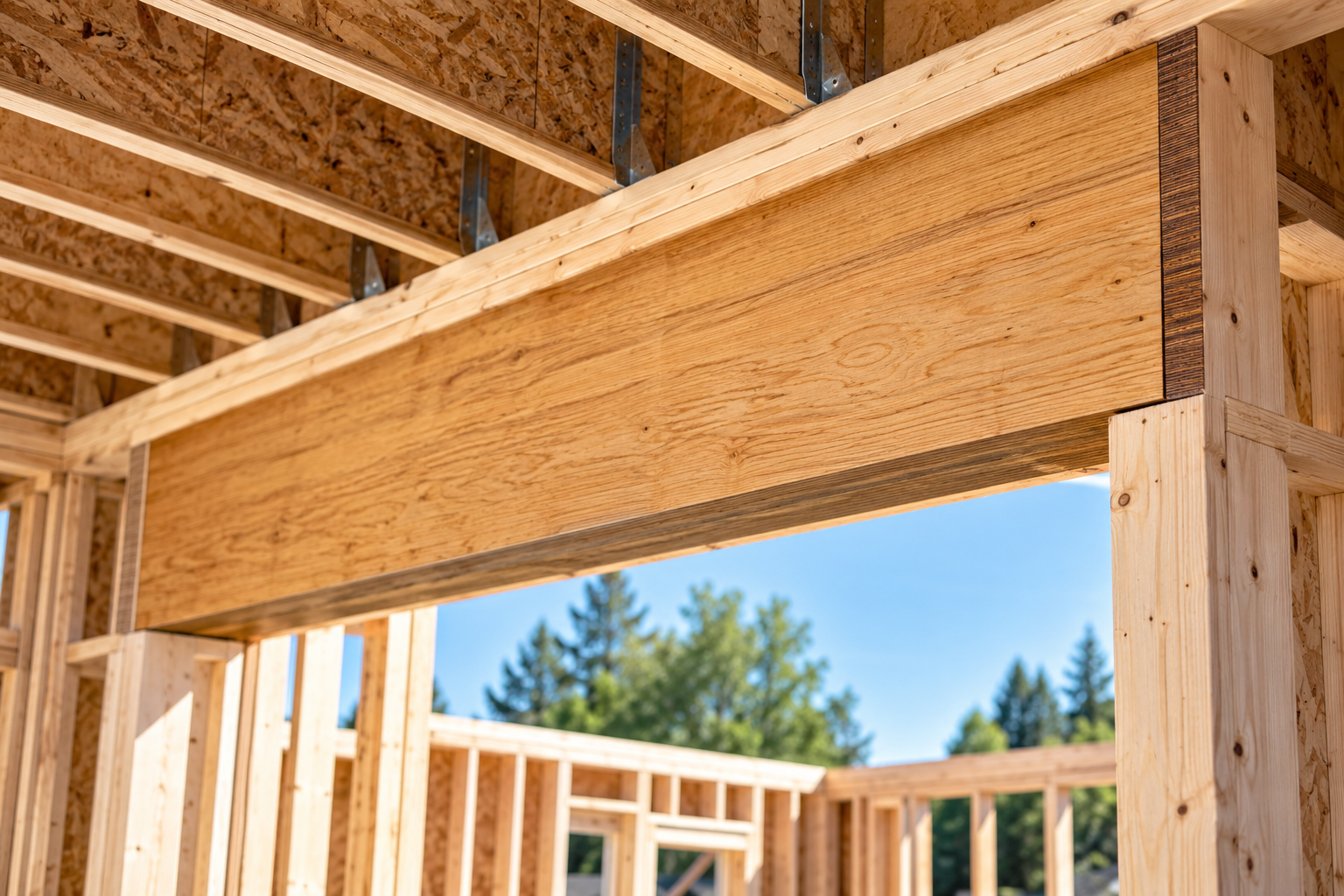
Another time, he realized a point load required more than the double 2x12s shown on the plans. Instead of letting it slide, he brought in an engineer and upgraded to double LVLs.
I’ve seen what happens when those kinds of things get overlooked. You don’t feel the consequences right away. Everything looks fine for months — sometimes years. But houses have a way of telling the truth slowly, and by the time the homeowner hears it, it’s usually too late.
Builders like Bill prevent those stories from ever beginning.
Quality Isn’t a Department — It’s a Philosophy
A lot of builders talk about quality.
Bill lives it with a level of consistency that’s hard to fake.
His personal standard is simple:
“Build it so I can drive by in twenty years and still be proud of it.”
That kind of long-game thinking is rare.
It’s the difference between:
- meeting code
- and building something that performs long after inspections are forgotten
His goal is performance long after the inspection stickers fade.
Code Is the Floor — Not the Finish Line
And here’s a point Bill emphasized — one that I agree with fully. “Code is the floor, not the ceiling.”
- You can build a code-compliant house that still fails early.
- You can build a code-compliant house with moisture issues, structural weaknesses, and air leakage paths that compromise performance.
- Quality requires thinking past the minimum.
- Quality requires curiosity.
Bill stays up to speed on new systems, new installation methods, and new building science principles. He doesn’t cling to old methods out of habit. He adapts when something better comes along.
Craftsmanship isn’t nostalgia to him.
It’s responsibility.
What Most Homebuyers Don’t Know to Ask
In nearly every conversation I’ve had with builders and homeowners alike, I’ve noticed the same thing: homeowners don’t know what questions actually reveal whether a builder knows what they’re doing.
The Questions Buyers Should Be Asking
They ask:
- what’s the price
- how long will it take
- can we change the layout
But they rarely ask:
- how do you size beams in complex load paths
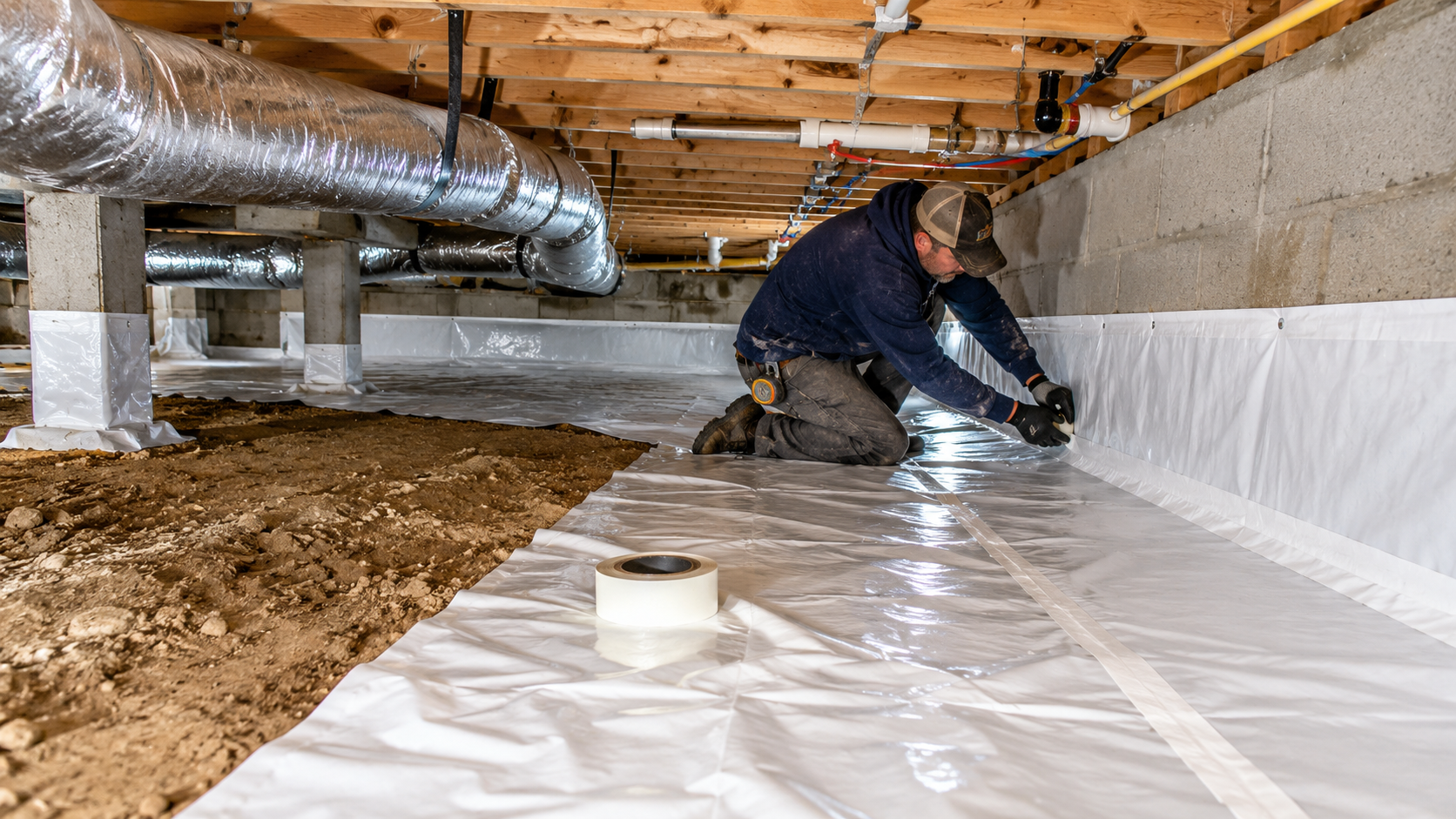
- how do you handle moisture management behind cladding systems
- how do you flash windows to ensure water doesn’t migrate into the sheathing
- how often are you on-site
- what’s your standard for air sealing
- how do you prevent penetrations from compromising your envelope
Bill put it plainly:
“Plans don’t build houses. People do.”
And the people doing it must understand what they’re doing.
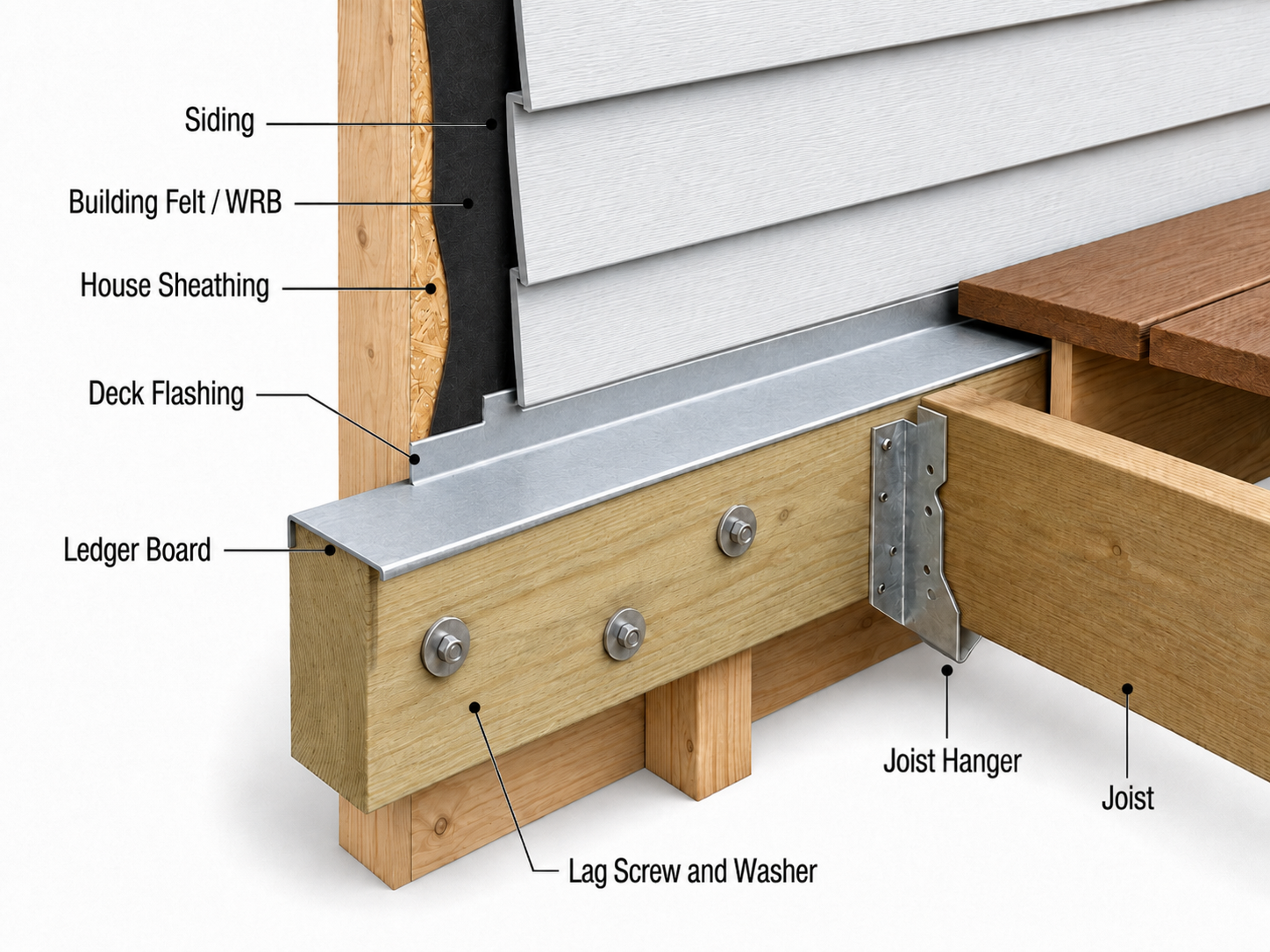
I’ve walked homes where nobody caught a structural issue until it was covered up. I’ve seen shower pans that weren’t waterproof, windows installed without proper sills, roof penetrations unsealed, and deck ledgers attached with nothing but wishful thinking.
These mistakes aren’t always malicious — they’re symptoms of builders stretched too thin.
Homeowners don’t see these flaws when they sign the contract.
They see them when the repair costs hit their own pocket.
That’s the gap builders like Bill fill.
Modern Materials, Better Outcomes — If You Use Them Correctly
This is where Bill’s mindset becomes especially clear.
He doesn’t upgrade materials because they’re trendy.
He upgrades when the evidence points to a better long-term outcome.
And he can explain why each one matters — a trait manufacturers absolutely love to see in field pros.
ZIP System Over Traditional Housewrap
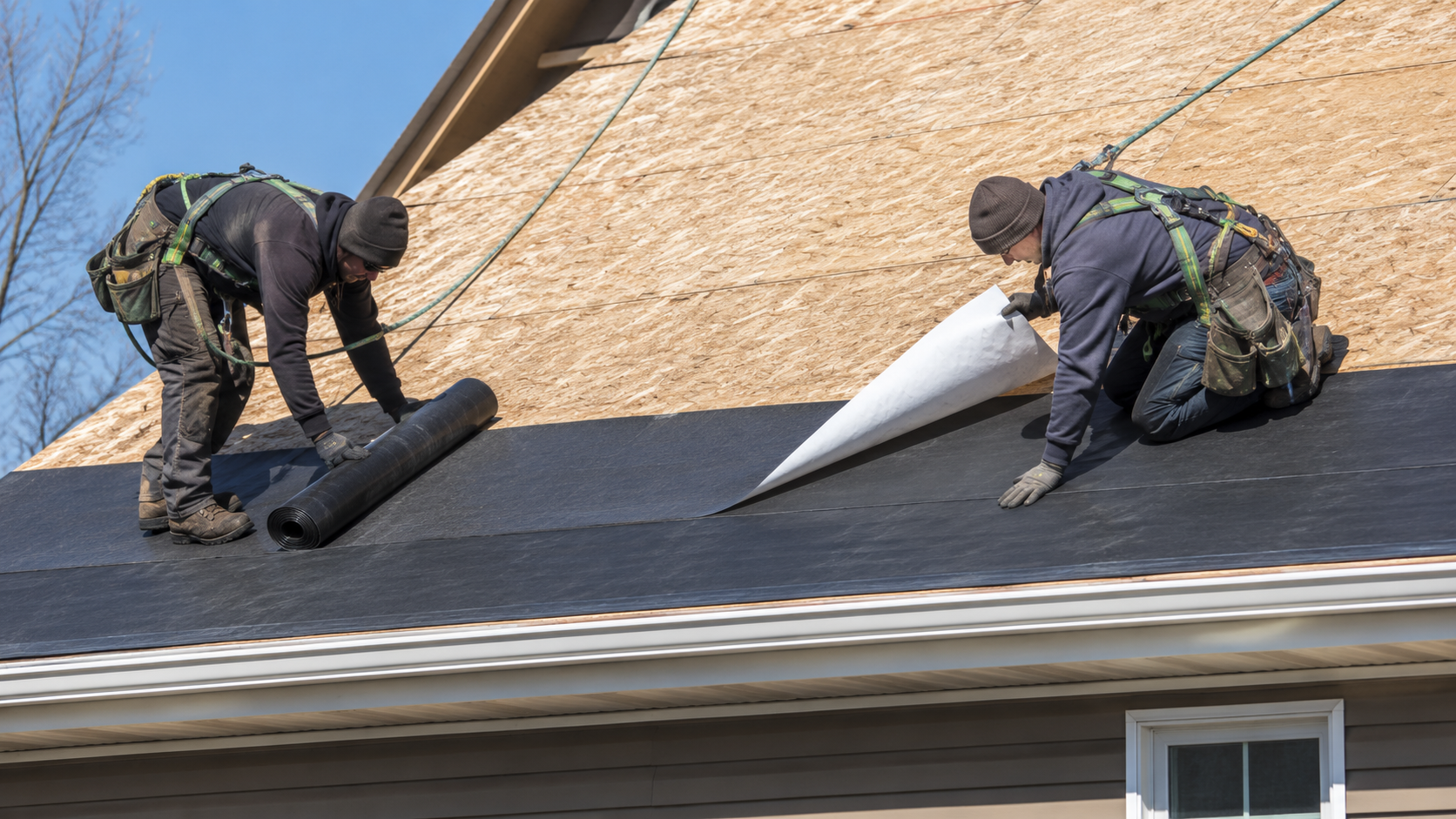
ZIP reduces air leakage paths and integrates taping directly with the sheathing. It’s simply a better long-term assembly when installed properly.
Spray Foam + Fresh Air Exchange Systems
Homes today are tighter — three ACH50 or fewer. That saves energy, but it also means builders must understand ventilation. Bill does.
PVC Composite Decking
Zero rot. Minimal maintenance. Uniform performance.
A no-brainer when long-term value matters more than upfront cost.
Advanced Window Flashing
Sloped sills. Weep paths. Full-tape integration.
Bill installs windows so water goes where it’s supposed to go — out, not into the OSB.
Schluter Waterproofing Systems
Replacing traditional mud pans and Durock, Schluter makes showers virtually bulletproof when installed correctly.
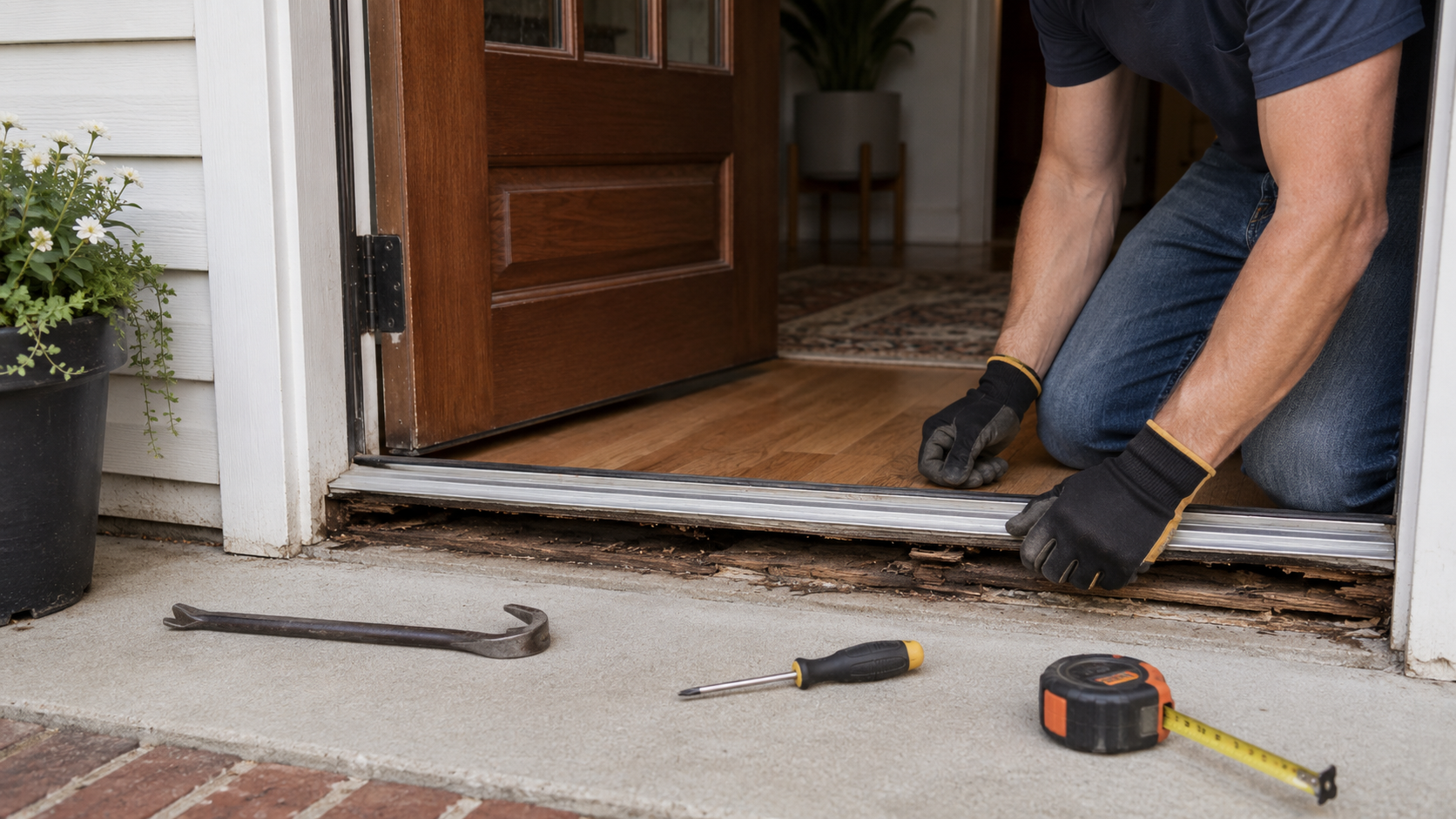
Sill Pans Under Exterior Doors
This is one of the biggest failure points in residential construction. Bill treats it as non-negotiable. Check out the video here!
Porcelain Tile Instead of Natural Stone
Porcelain doesn’t absorb moisture and doesn’t invite mildew — a simple decision that prevents a decade of headaches.
I’ve written more articles for material manufacturers than I can count, and I’ll tell you this: Bill uses the products the way they were intended to be used — not the way they’re often used in the field.
That distinction matters.
Trust Is the Currency That Actually Builds a Business
Bill doesn’t rely on marketing.
He doesn’t run ads.
He doesn’t hunt down leads.
Everything comes from:
- referrals
- reputation
- homes that still perform years later
He’s built five homes in the same neighborhood because one project leads naturally to the next.
Most of his clients are second-home buyers building vacation properties — people who expect a builder who knows not just what to build, but how to think through a structure.
Bill maintains friendships with many of the people he builds for.
In modern construction, that’s not common.
He also does something too few builders do:
He protects his workload.
If adding a project risks compromising attention to his existing homes, he simply says no.
That refusal is part of what makes his work stand out.
The Future of Craftsmanship in a Volume-Driven Industry
If you look at where the construction industry is going, it’s clear the demand for speed won’t slow down anytime soon. Builders will face more pressure to produce more homes in less time with fewer skilled workers available.
But homes built on speed eventually reveal the cost of that speed.
Builders like Bill prove something crucial:
Craftsmanship isn’t dead — it’s just harder to find.
And when you do find it, you can see it everywhere:
- in beams sized correctly before the drywall goes up
- in windows flashed with intention, not guesswork
- in decks that don’t rot
- in tile showers that last
- in airtight homes that still breathe
- in houses that look and feel solid twenty years later
Craftsmanship doesn’t scale easily.
But it endures.
And endurance is the most honest measure of a builder’s work.
Why Conversations Like This Still Matter
Builders who slow down, stay present, and protect the craft are the ones who leave houses — not problems — behind them.
In an industry chasing volume, their approach feels almost countercultural.
But quality still wins.
And builders like Bill are proof.
If you’re a custom home builder with a story worth telling, I write builder profiles and ongoing content for residential contractors who want their work to speak for itself. Reach out at walt@roderickcontent.com.