Most contractors who build their own website run into the same problem about ten minutes into writing their first service page. They know exactly what they do. They’ve been doing it for years. But when they sit down to describe it in writing, what comes out is a flat list of job types that could have been written by anyone. Deck building. Basement finishing. Kitchen remodels. It’s accurate. It just doesn’t give a customer any reason to call them instead of the next contractor on the list.
The problem isn’t that they don’t know enough. It’s the opposite. They know so much about their work that the most valuable parts of it have become invisible to them. The methods they’ve refined over years on the job. The judgment calls that keep a project on budget. The things they check before a crew starts that prevent problems nobody else would have caught. That’s the knowledge a homeowner is actually paying for — and it almost never makes it onto a website.
AI changes that equation. Not by writing for you, but by pulling out what you already know and putting it in a form that works on a page.
Why Most Contractor Websites Miss the Mark
A contractor who has never had a marketing background doesn’t naturally think in terms of what a customer needs to hear before they pick up the phone. He thinks in terms of what he does. So the service page describes the work — the categories, the materials, maybe a price range — without ever addressing the questions a homeowner is actually sitting with.
Can I trust this person in my house? Does he understand what I’m trying to accomplish? Has he done this before on a job like mine? Will he be straight with me when something comes up?
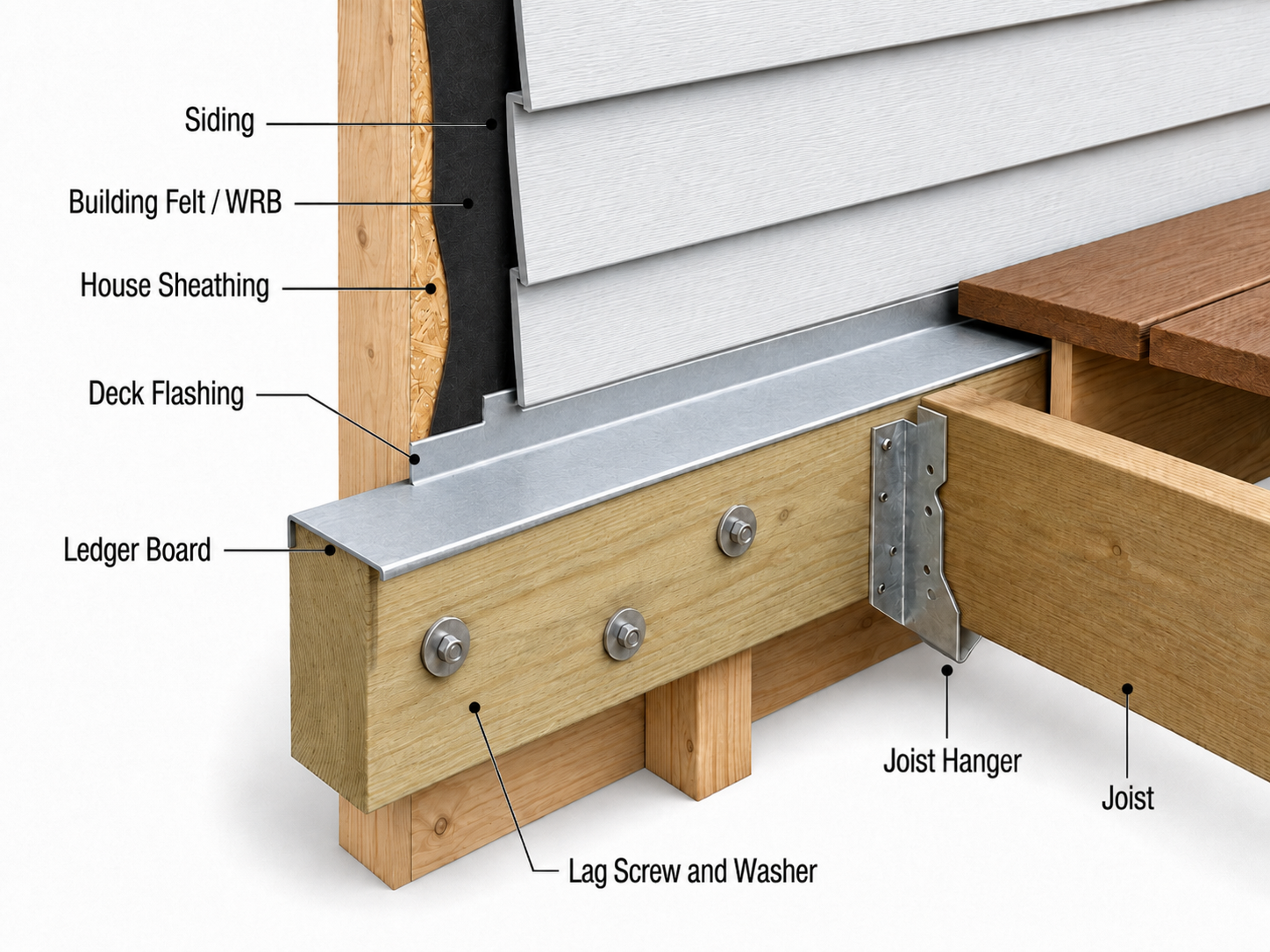
Those questions don’t get answered by a list of services. They get answered by content that reflects genuine experience and specific knowledge. The contractor who writes “we build decks” and the contractor who explains why deck ledger connections fail and how he addresses that on every job are presenting two completely different pictures of their competence — even if their actual skill level is identical.
The Workflow That Actually Works
The most effective way to use AI for contractor website content isn’t to ask it to write a service page from scratch. It’s to have a conversation with it first — one that draws out the knowledge you already have before a single word of content gets written.
Here’s where to start.
Open Claude and set up a project under your business name. A project keeps your information organized and lets Claude build on what it learns about your business over time rather than starting fresh every session.
Once the project is open, tell Claude this: “We are going to create my voice for all website content that I will write.” Claude will ask you a series of questions — about how you talk to customers, what you want people to understand about your business, what makes you different from other contractors in your area. Answer them the way you’d explain it to someone sitting across the table from you. Don’t try to sound like a website. Sound like yourself.
That conversation becomes your voice reference. Every piece of content you produce from that point forward will reflect how you actually communicate — not generic contractor language that could have come from anyone.
Getting Your Services on the Page
Once your voice is established, the next step is straightforward. Give Claude a complete list of every service you offer and every type of work you have real experience with. Don’t edit it yet. Just get it all out.
Then tell Claude: “Using my voice, explain the services I offer in a way that would work for a website services page.”
What comes back won’t be a finished page — and it shouldn’t be. It will be a draft that reflects your voice and your services, but it will need your eyes on it. Read through it and ask yourself what’s missing. The specific things you do that other contractors skip. The way you handle a particular type of problem that comes up on jobs like yours. The questions customers always ask that never get answered until they’re already on site.
Add those in. That’s where the content goes from adequate to something a customer actually remembers.
What AI Can’t Do Without You
The contractors who get the most out of AI are the ones who stay in the conversation. They catch the places where the content sounds generic and push back. They add the specific job-site knowledge that only comes from years of doing the work. They keep it sounding like a person, not a platform.
The contractors who get the least out of it are the ones who paste in a prompt, accept whatever comes back, and call it done. That content is technically coherent and practically invisible. It reads like every other contractor website because it was produced the same way.
Your knowledge is the differentiator. AI is the tool that helps you get it out of your head and onto a page in a form that works. Used that way it’s worth more than any agency you could hire — because it reflects what you actually know, not what someone who has never been on your jobsite thinks you should say.
If you want to take it further than what’s covered here, I can help. Reach out through the contact page and we’ll figure out what that looks like for your situation.