Most industry content looks fine.
It reads clean. It hits the right tone. It checks the usual boxes. If you skim it, there’s nothing obviously wrong with it.
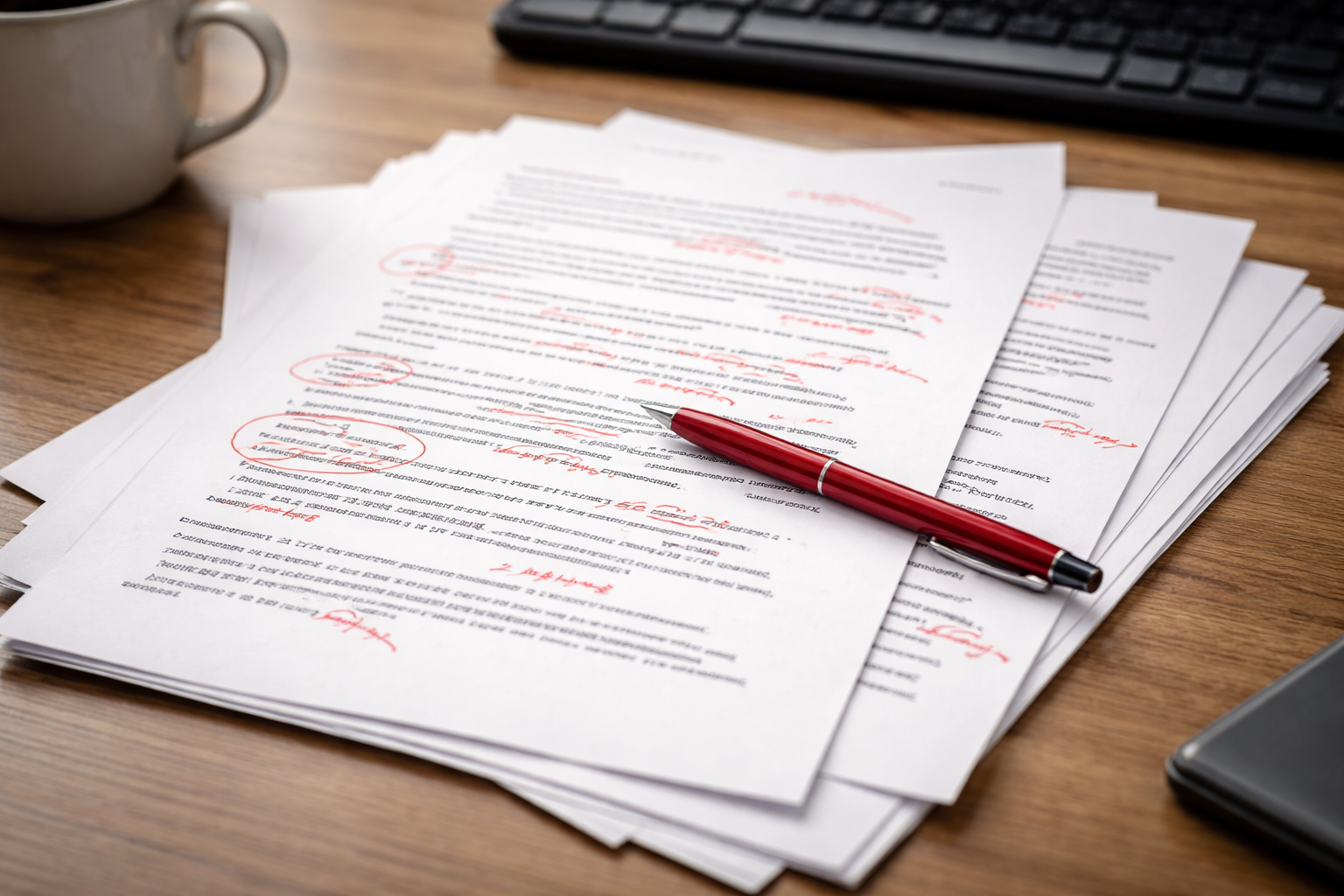
And yet, it keeps coming back for revisions.
No one calls it out directly. The draft just comes back.
Another tweak. Another pass. Another “can we clarify this?”
That’s usually the moment people start wondering whether the writer actually understands the work.
Why “Sounding Right” Stops Being Enough
There’s a difference between content that sounds right and content that actually is right.
Sounding right comes from being good with words. Being right comes from knowing how the work actually gets done.
Most writers are hired for the first part. They know how to structure a piece. They know how to keep it readable. They know how to make it sound confident without being aggressive.
That’s useful. It just isn’t the whole job.
Once content starts representing real work, real decisions, or real claims, polish stops carrying the weight on its own.
Who Really Decides Whether Content Works
On paper, content is written for customers.
In reality, it gets judged first by the people inside the company who know the subject well enough to spot problems.
Someone reads it and thinks, That’s not quite how we’d put it.
Or, That’s mostly right, but it depends.
Or, We need to be careful with that line.
That person might be technical. They might be operational. They might be leadership. The title doesn’t matter.
What matters is that they’re the one who would have to explain the content if someone questioned it.
Content that doesn’t hold up to that reader never really gets comfortable. It might go live, but it doesn’t feel finished.
Where a Lot of Industry Writing Slips
Most of the time, nothing is “wrong” in a dramatic way.
The writing stays general to avoid overstepping.
It leads with features instead of context.
It never says anything specific enough to get challenged.
That keeps things safe. It also makes the content feel thin once you slow down and read it carefully.
People who know the work notice when important conditions are missing. They notice when statements are framed too broadly. They notice when something sounds like it was written from the outside looking in.
That’s when people stop trusting it.
Accuracy Isn’t About Being Technical
Accuracy doesn’t mean piling on detail or using specialized language.
That’s a different mistake, and it’s just as obvious.
Accuracy is about judgment.
Knowing which claims are solid and which ones need boundaries. Knowing what you can say plainly and what needs to be qualified before it turns into a problem.
Good judgment doesn’t draw attention to itself. It just makes the content feel steady.
When it’s there, the writing doesn’t invite second-guessing. When it’s missing, people get cautious, even if they can’t immediately explain why.
A Quick Word About AI
I use AI.
At this point, most companies expect that. It would be strange not to. Used well, it’s efficient. It helps organize information, test phrasing, and move faster without getting sloppy.
But it doesn’t decide what’s right.
It doesn’t decide what’s accurate.
It doesn’t decide what’s defensible.
It doesn’t decide what’s safe to put in front of people who actually know the subject.
That responsibility stays with the writer.
The difference isn’t whether a tool was used. It’s who owns the output once it’s published.
How Content Gets Accurate Before It Gets Written
Accurate content doesn’t start with clever sentences. It starts with better questions.
Questions like:
- Under what conditions is this actually true?
- Who inside the company would push back on this?
- What would someone with firsthand experience flag immediately?
- What would I hesitate to put my name on?
Those questions slow things down at the beginning. They save a lot of time later.
When they shape the content early, the draft doesn’t need to be rescued during review. It doesn’t need to be walked back. It doesn’t need a layer of explanation added after the fact.
Why This Matters After the Article Is Live
Most content problems don’t show up right away.
- They show up when sales has to explain what a piece really meant.
- When a customer asks for clarification.
- When someone internally says, We should probably revise that.
- When a claim quietly gets softened later on.
Content that’s right saves people from having to explain it later.
That’s not a branding benefit. It’s a practical one.
Publishing Without Hesitation
The goal isn’t to impress anyone.
It’s to put something out there and not worry about it coming back with a bunch of fixes.
Most writers can make you sound polished.
I focus on whether it’s right.
That’s the difference between content that looks finished and content that actually is.